The Importance of Transmission Fluid Changes for a Smooth Ride

March 6, 2025

Your vehicle’s transmission system is one of its most essential components, responsible for transferring power from the engine to the wheels. Whether you drive an automatic, manual, or CVT transmission, maintaining the proper transmission fluid levels and ensuring clean fluid is critical to your vehicle’s performance and longevity. At Marcos Auto Service in Longwood, FL, we help drivers protect their vehicles with professional transmission fluid changes, preventing costly breakdowns and ensuring a smooth, efficient ride.

In this guide, we’ll explore why transmission fluid changes are crucial, how they benefit your vehicle, and how often you should schedule this important service.


What Does Transmission Fluid Do?

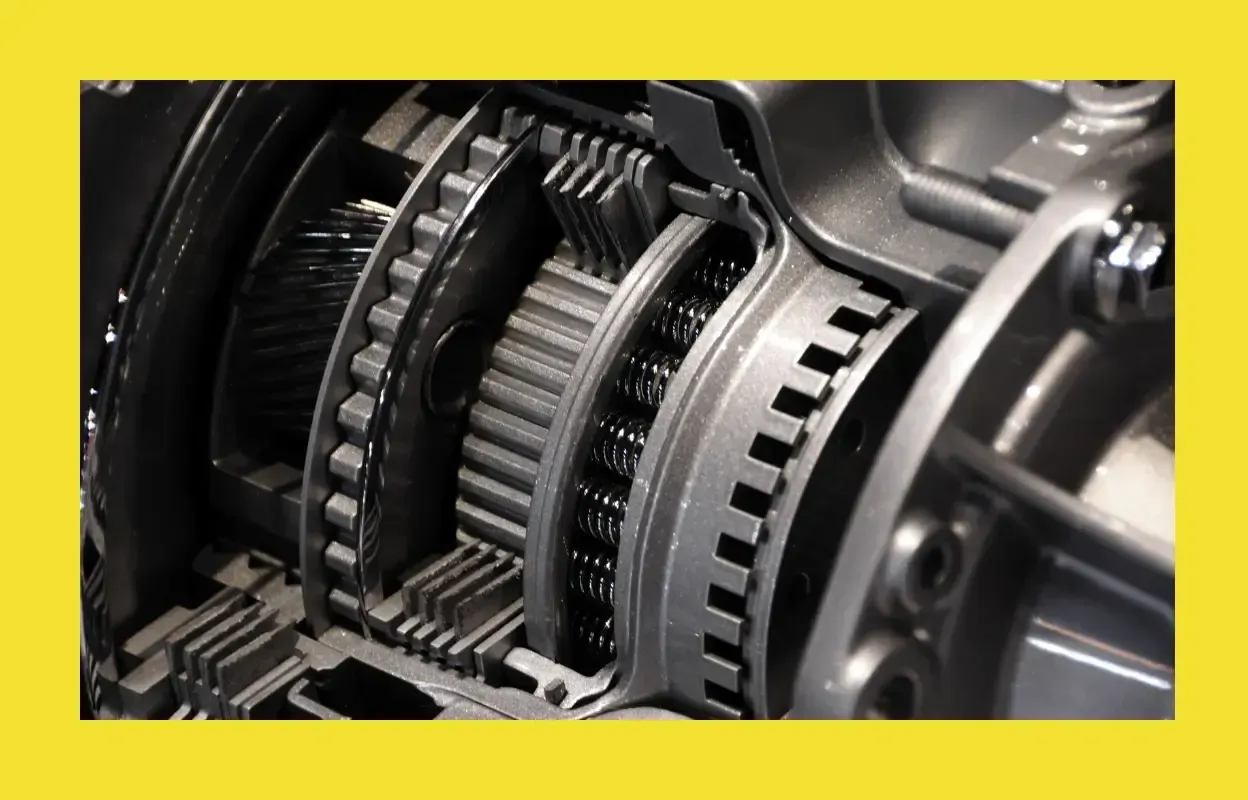
Transmission fluid plays a vital role in keeping your vehicle running smoothly. It acts as a lubricant, coolant, and hydraulic fluid, ensuring that all moving parts within the transmission work together seamlessly.

Key Functions of Transmission Fluid:

  • Lubrication – Reduces friction between gears and internal components, preventing premature wear.
  • Cooling – Helps dissipate heat to prevent overheating, which can cause severe transmission damage.
  • Hydraulic Power – Provides the necessary pressure for smooth gear shifts in automatic and CVT transmissions.
  • Cleaning – Removes metal shavings, dirt, and debris from internal components to prevent damage.

Without clean and properly maintained transmission fluid, your vehicle may experience slipping gears, rough shifting, overheating, and even transmission failure.


Signs That Your Transmission Fluid Needs Changing

Regular transmission fluid changes are crucial for maintaining the efficiency and lifespan of your transmission. If you notice any of the following warning signs, it may be time to schedule a transmission service at Marcos Auto Service in Longwood, FL:


1. Delayed or Rough Gear Shifts

If your car hesitates or struggles to shift gears, this could indicate low or contaminated transmission fluid. Dirty or degraded fluid can cause inconsistent pressure within the transmission, leading to jerky, delayed, or hard shifts.


2. Slipping Gears

When transmission fluid loses its effectiveness, it can no longer provide the hydraulic pressure needed to keep gears engaged properly. This can result in sudden loss of power, unexpected gear shifts, or difficulty maintaining speed.


3. Unusual Noises While Driving

Grinding, whining, or clunking noises while shifting could be a sign that your transmission fluid is dirty or low. A healthy transmission should operate quietly and smoothly—any unusual sounds mean something is wrong.


4. Overheating Transmission

Old, dirty transmission fluid loses its ability to cool the system, leading to excessive heat buildup. Overheating can cause burnt transmission fluid, internal component damage, and, eventually, complete transmission failure.


5. Transmission Fluid Leaks

If you notice red, pink, or brown puddles under your car, you might have a transmission fluid leak. Low fluid levels can lead to serious transmission damage, so it’s essential to address leaks immediately.


How Often Should You Change Your Transmission Fluid?

The frequency of transmission fluid changes depends on your vehicle’s make, model, and driving habits. Most manufacturers recommend changing transmission fluid every 30,000 to 60,000 miles for automatic transmissions and every 50,000 to 100,000 miles for manual transmissions.

However, certain driving conditions can cause transmission fluid to degrade faster, including:

  • Frequent stop-and-go traffic
  • Towing or hauling heavy loads
  • Driving in extreme heat
  • Aggressive acceleration or high-speed driving

At Marcos Auto Service, we recommend checking your transmission fluid regularly and following your manufacturer’s guidelines to ensure your vehicle stays in top condition.


Benefits of Regular Transmission Fluid Changes

Investing in regular transmission fluid maintenance provides long-term benefits, helping you avoid costly repairs and breakdowns.


1. Extends Transmission Lifespan

Replacing old, contaminated transmission fluid prevents internal wear and overheating, ensuring your transmission lasts longer.


2. Improves Fuel Efficiency

Fresh transmission fluid reduces friction and heat, allowing your transmission to operate more efficiently and improving gas mileage.


3. Enhances Driving Performance

A well-maintained transmission shifts smoothly and responds quickly, providing a better overall driving experience.


4. Prevents Costly Repairs

Transmission repairs and replacements can cost thousands of dollars, but regular fluid changes help prevent major breakdowns.


5. Maintains Manufacturer Warranty

Many vehicle warranties require routine transmission maintenance—keeping up with fluid changes helps protect your coverage.


Why Choose Marcos Auto Service for Transmission Fluid Changes in Longwood, FL?

At Marcos Auto Service, we provide expert transmission fluid exchange services using high-quality OEM-approved fluids for all makes and models. Our ASE-certified technicians use state-of-the-art equipment to ensure your transmission receives the care it needs.

Our Transmission Fluid Change Process

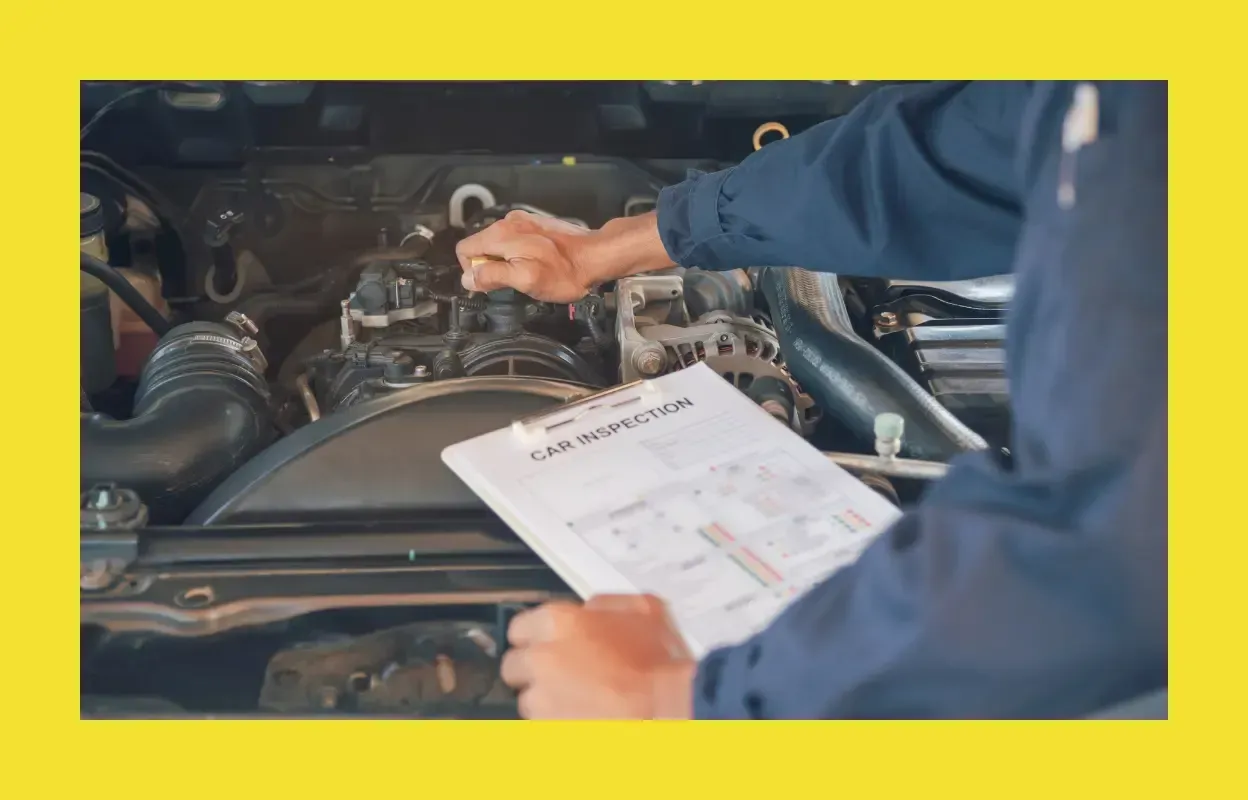
  • Comprehensive Inspection – We check for leaks, contamination, and proper fluid levels.
  • Complete Fluid Exchange – We drain and replace old transmission fluid with fresh, high-quality fluid.
  • Filter Replacement – If necessary, we replace the transmission filter to ensure clean fluid circulation.
  • Final System Check – We test your transmission to ensure smooth shifting and peak performance.

As a Worldpac, Technet, and Jasper-affiliated shop, we stand behind our services with a 2-year/24,000-mile warranty, giving you peace of mind on the road.


Schedule Your Transmission Fluid Change at Marcos Auto Service Today!

Don’t wait until transmission problems arise—schedule a transmission fluid change at Marcos Auto Service in Longwood, FL today! Regular maintenance is the best way to ensure smooth shifting, prevent overheating, and extend the life of your transmission.

Backed by our 2-year/24,000-mile warranty, our expert technicians are here to provide top-quality service for your vehicle. Visit us today for professional, reliable transmission maintenance that keeps your car running smoothly!
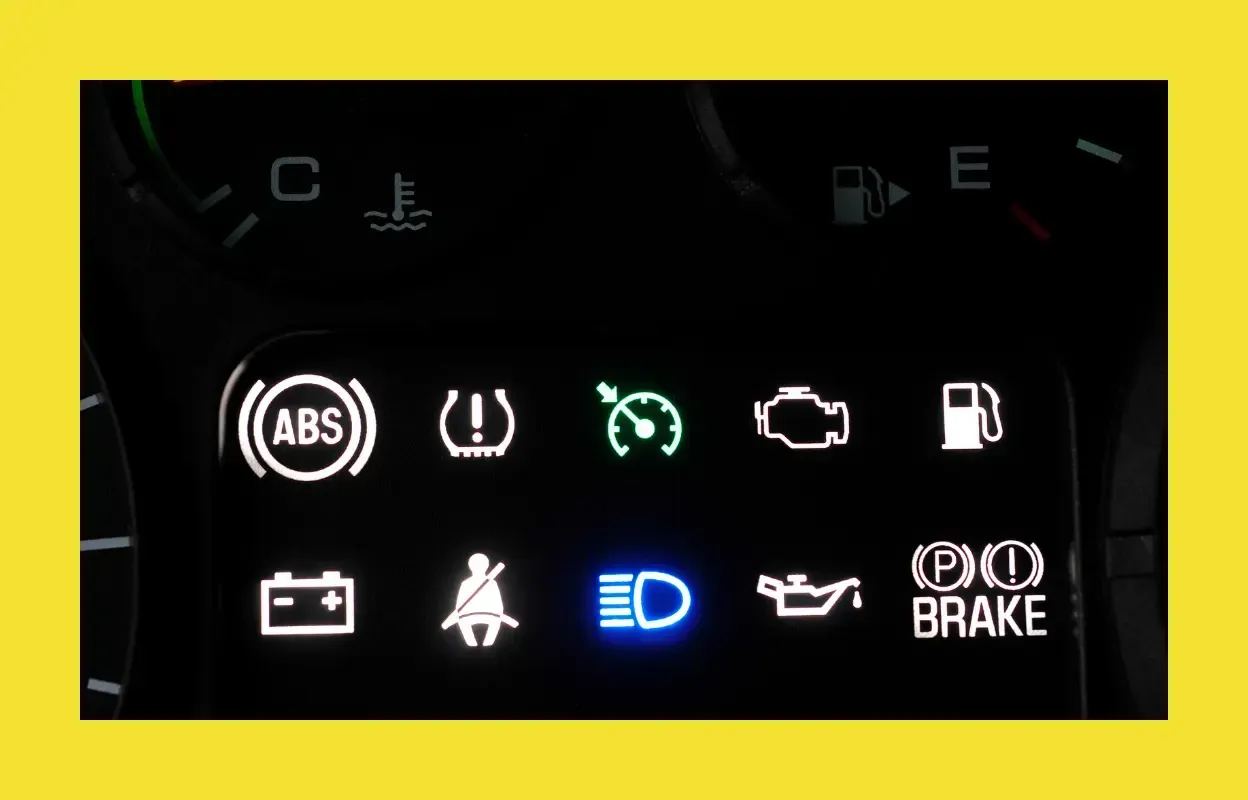
Warning lights on a car dashboard that signal maintenance is needed
By Dan Marcos • November 18, 2026
Not every light on your car's dashboard means a trip to the mechanic. Learn which are easy fixes and which mean you should bring your car in soon.
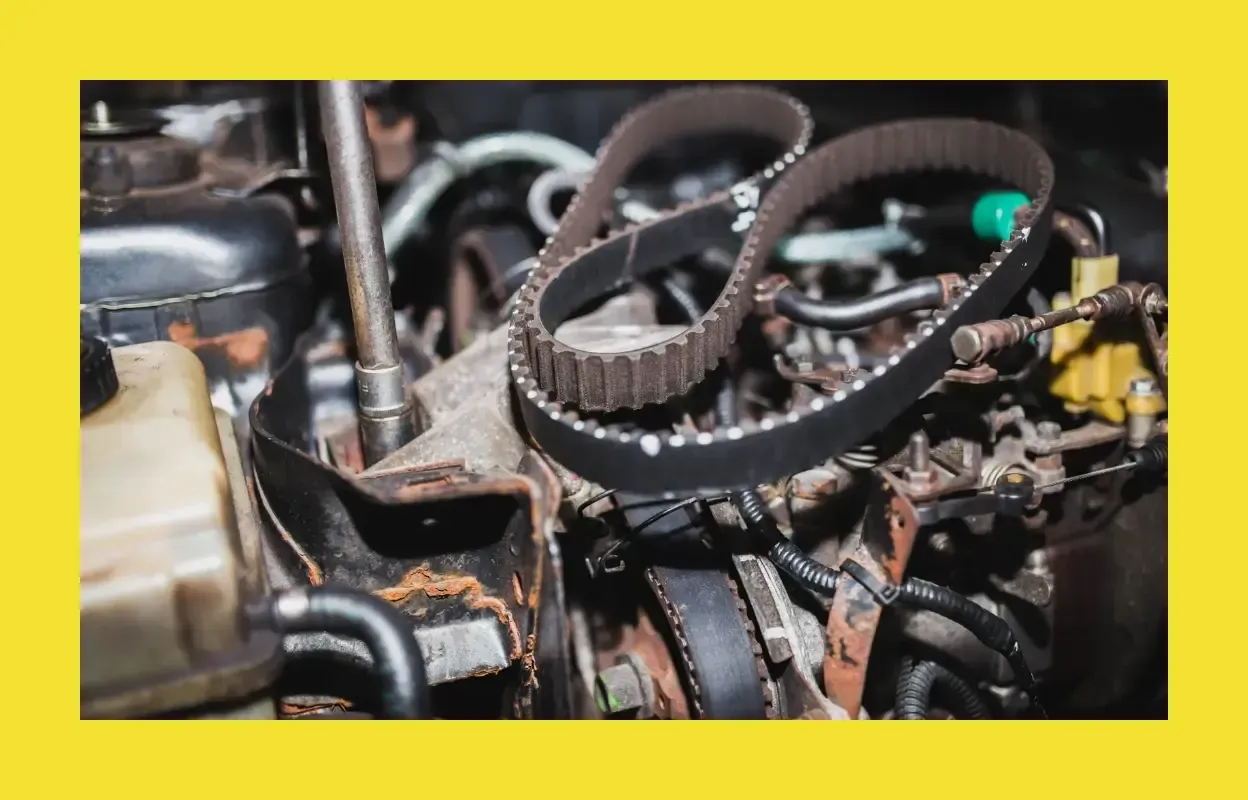
Timing belt sitting on a car engine
By Dan Marcos • November 11, 2026
Not sure if the timing belt or timing chair are timed out? Click here to learn about which one may be giving your vehicle some extra grief.
Car overheating on the side of the road
By Dan Marcos • November 4, 2026
Your car may overheat in Florida traffic because its cooling system is not getting enough airflow at low speeds. On the highway, moving air helps the radiator release engine heat. When you stop, the radiator fans become especially important. If it is not working properly, the temperature can climb.  Low coolant, leaks, and coolant flow problems can also contribute. A temperature gauge that returns to normal once traffic starts moving does not mean the underlying problem is fixed. Key Takeaways Overheating in traffic often points to a cooling-fan or airflow problem. Low coolant, leaks, and other cooling-system faults can cause similar symptoms. Florida heat and A/C use can make an existing problem more noticeable. Cooling down on the highway does not mean the car is safe to keep driving. An overheating warning, a gauge in the hot zone, or steam requires prompt action. Why Traffic and Florida Heat Make It Worse Your engine keeps producing heat while you wait at a red light. Without the airflow created by driving, the radiator cooling fan must help move air through the radiator. A fan that fails to turn on or moves too little air may leave the system unable to keep up. Florida’s hot weather adds to the challenge because the radiator has a harder time releasing heat into already-hot air. Running the vehicle's air conditioning system also increases cooling demand. Together, these conditions can expose a problem that is less noticeable on an open road. Repeated overheating deserves attention, even if it happens only on hot afternoons or with the A/C running. What Could Be Causing It? A radiator fan or cooling fan-control problem. If your vehicle has electric cooling fans, the fan may not switch on when needed or may not move enough air. The issue could involve the fan itself, a fuse, wiring, or its controls. Some vehicles have a mechanical radiator cooling fan attached to the serpentine belt. When the fan clutch on it wears out, it might not move enough air at low speeds or in traffic due to the lack of resistance. With these symptoms appearing when airflow drops, fan operation is an important starting point for diagnosis. Low coolant or a leak. Coolant carries heat away from the engine. If the level is low, the system may struggle to control temperature. Repeatedly needing to add coolant is a reason to have the system checked. Blocked radiator airflow. Leaves, road debris, or other obstructions can restrict air moving through the cooling components at the front of the vehicle. Other cooling-system problems. A thermostat, water pump, or radiator problem can interfere with cooling. These possibilities require testing; the driving pattern alone does not confirm which part has failed. Overheating in traffic also does not automatically mean you have a blown head gasket. A reputable shop can independently check to see if this is the issue. What to Do if Your Car Starts Overheating If the gauge moves toward the hot zone, an overheating warning appears, or steam comes from under the hood, take it seriously. Pull over somewhere safe. Do not try to reach the highway in hopes that faster driving will cool the engine. Shut off an overheating engine. Follow any vehicle-specific dashboard or owner’s-manual instructions. Continuing to run or drive an overheating engine can cause serious damage. Leave hot cooling-system caps closed. Never remove a radiator or pressurized coolant-reservoir cap while hot. The pressure in the system can cause the hot coolant to spew out causing severe burns. If steam is coming out, wait until it stops before opening the hood. Call for help if overheating persists or returns. Visible coolant loss or another temperature spike is a reason to arrange roadside assistance rather than continue the trip. Turning off the A/C may reduce cooling demand, but it does not repair the fault or make an overheating vehicle safe to drive. What to Tell the Mechanic You do not need to diagnose the problem yourself. Simply being able to describe the symptoms can help a mechanic pinpoint the issue. When driving, look for details like: Does the temperature rise while stopped, in slow traffic, or during other driving? Does running the A/C make it worse? Does the temperature fall once the vehicle starts moving? Have you noticed coolant loss or had recent cooling-system work? Do not deliberately recreate the overheating to gather these details. The shop can use your observations to guide checks of the cooling fan, coolant level, leaks, radiator airflow, and coolant circulation. Adding coolant or requesting a flush is not a complete repair plan. Topping off cannot fix a leak, and a flush cannot repair a failed fan or electrical fault. Testing helps identify what actually needs attention. Get the Cause Checked Before Your Next Commute If your car repeatedly gets hot in traffic, arrange a cooling-system inspection before relying on it for another trip. Finding and repairing the cause can help prevent another breakdown and more serious engine damage. At Marcos Auto Service, our ASE-certified technicians use state-of-the-art diagnostics to assess your system’s condition and deliver precision repairs or maintenance.
By Marcos Auto Service • November 2, 2026
Enhance tire longevity with expert advice from Marcos Auto Service in Longwood, FL. We offer premier tire services to keep your vehicle running smoothly. Schedule an online appointment now!
Car Battery light coming on in the car
By Dan Marcos • October 26, 2026
It may be more than just the Central Florida heat ruining your car battery's life. Learn more about how to keep your battery running longer.
By Marcos Auto Service • October 5, 2026
Experience top-notch oil change services with Marcos Auto Service in Longwood, FL. Your reliable choice for auto care. Schedule an appointment today!
Interior of a transmission in a car
By Dan Marcos • September 28, 2026
If you think you need to replace your transmission, take a pause. Ask these simple questions before you go and spend money you may not have to.
By Marcos Auto Service • September 7, 2026
Enhance your vehicle's safety with expert brake maintenance from Marcos Auto Service in Longwood. Ensure optimal performance and drive with confidence.
Car Air Conditioning blowing air
By Dan Marcos • September 4, 2026
You feel the AC come on but it only blows hot air. Learn how the Longwood, Florida heat can affect your car's AC and how to get it working again.
Mechanic performing an inspection on a used car in Longwood, FL
By Dan Marcos • August 25, 2026
Don't take a seller's word as gospel. Here is a list of what to look over when you buy your next used car so you don't get scammed.
More Posts