Used Car Inspection Checklist for Buying a Car in Central Florida
Buying a used car in Central Florida should go beyond just checking the price, looking over the exterior and taking a short test drive.
Florida does not require routine vehicle safety or emissions inspections before registration. That means a used car can be legally registered even if it has mechanical, structural, or safety problems.
Central Florida also creates its own risks. Heat, humidity, heavy rain, flooding, and strong UV exposure can take a toll on vehicles over time.
The safest approach to buying a used car though is relatively simple. Verify the vehicle's history, inspect it carefully, test drive it properly, then get an independent mechanic to inspect it before you buy.
Key Takeaways
- Check the VIN, title history, accident history, and open recalls before seeing the car.
- Look closely for flood damage, water intrusion, rust, mismatched paint, and signs of previous collision repairs.
- Check the tires, AC, dashboard warning lights, electronics, fluids and car cooling system.
- Take a real test drive that includes city streets, stop-and-go traffic, and highway speeds when possible.
- Get an independent pre-purchase inspection before signing paperwork.
- Walk away if the seller refuses to allow an independent inspection.
- Verify the title, VIN, mileage, and lien status before paying.
Used Car Inspection Checklist
1. Check the VIN and Vehicle History First
Before driving across town to see a used car, ask the seller for the 17-digit Vehicle Identification Number (VIN).
You can use the VIN to check:
- Title history
- Accident history
- Salvage, rebuilt, or flood title brands
- Reported mileage
- Previous ownership information
- Open safety recalls
Good places online to start are the National Motor Vehicle Title Information System, Florida vehicle records, or NHTSA recall information.
Once you see the vehicle, confirm that the VIN on the dashboard matches the VIN on the title as well as other vehicle records.
Watch for these red flags:
- The seller refuses to provide the VIN.
- The VIN does not match the title.
- The VIN plate appears altered or damaged.
- Mileage records do not make sense.
- The vehicle has an undisclosed flood, salvage, or rebuilt history.
A vehicle history report does not replace a physical inspection, but it can help you eliminate questionable vehicles before investing more time.
2. Inspect the Exterior
Inspect the vehicle outside during daylight whenever possible.
Walk around the entire car and look for:
- Mismatched paint
- Uneven gaps between body panels
- Large dents or poorly repaired damage
- Cracked glass
- Moisture inside headlights or taillights
- Rust or corrosion
- Damaged wheels
- Signs of previous bodywork
Paint that looks noticeably different from one panel to another can indicate previous repairs. Uneven body gaps can also point to collision damage or improperly installed replacement panels.
Minor scratches or small dents are usually easy to spot. Structural damage can be much harder for an average buyer to identify, which is one reason a professional inspection matters.
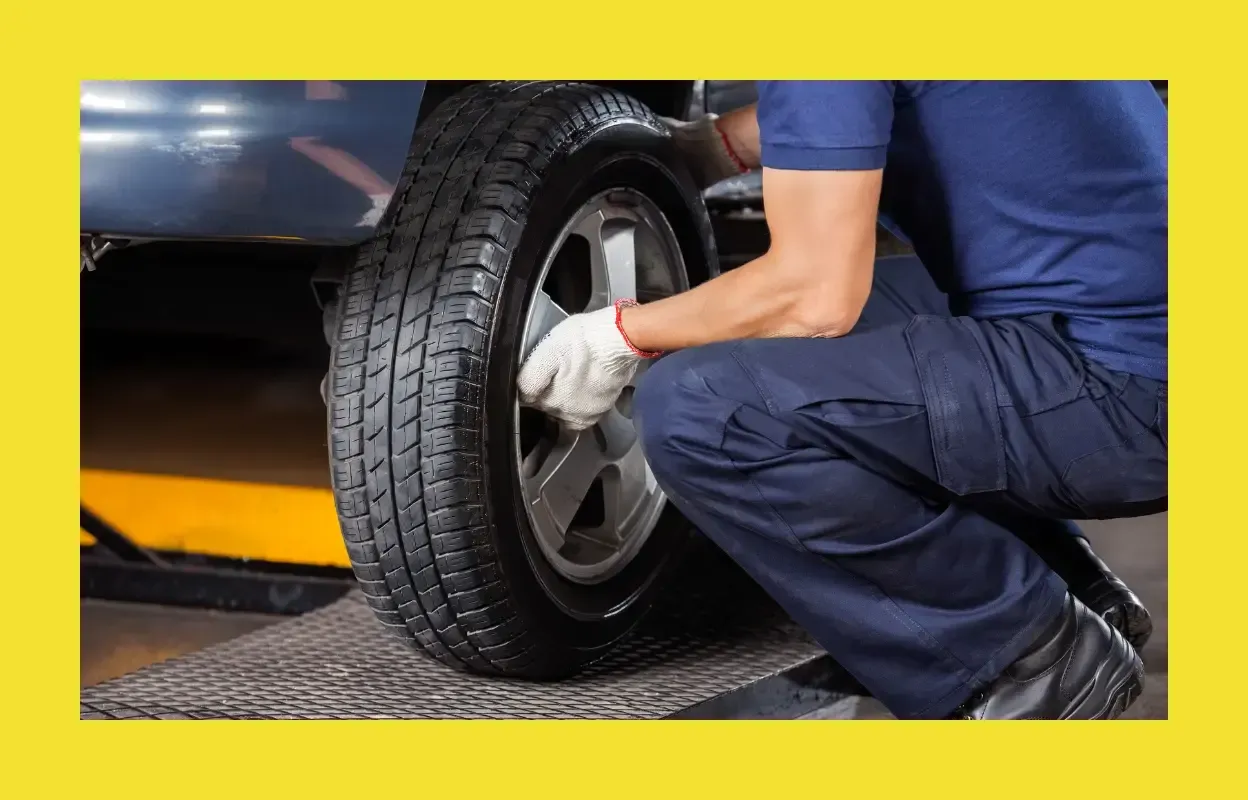
3. Check the Tires
Do not judge tires based only on how much tread appears to be left.
Check for:
- Low tread
- Uneven wear
- Cracks along the sidewalls
- Dry rot
- Bulges or visible damage
- Different tires on the same axle
- Older tire age
The DOT date code on the sidewall shows when the tire was manufactured. Central Florida's heat, combined with UV exposure, can accelerate tire deterioration, even when the tread still looks acceptable.
Uneven wear can also be a clue that the car has alignment or suspension problems.
4. Look for Flood and Water Damage
With all of Florida’s rain and hurricanes, flood damage deserves extra attention when buying a used car.
A flood-damaged vehicle can be cleaned well enough to look normal during a quick inspection, but electrical issues, corrosion, and mold problems may appear later.
Look for:
- Musty or moldy odors
- Excessive air fresheners
- Damp carpeting
- Water stains
- Rust underneath the seats
- Rust on metal components under the dashboard
- Dirt or silt underneath carpet edges
- Debris inside the spare-tire well
- Moisture inside lights
- Electrical features that behave inconsistently
Check underneath floor mats and around the trunk area. If something smells damp or unusually perfumed, investigate further.
Flood damage should not be treated as a minor cosmetic issue. Water can affect wiring, electronics, interior materials, and structural components long after the vehicle dries out.
5. Check Under the Hood
You do not need to be a mechanic to spot obvious warning signs.
With the engine cold, look for:
- Oil or other fluid leaks
- Low fluid levels
- Dirty or contaminated fluids
- Milky-looking oil
- Burnt smells
- Cracked belts
- Worn hoses
- Battery corrosion
- Dried coolant residue
- Loose or damaged components
After the engine starts, listen for unusual knocking, persistent ticking, or loud squealing.
Also pay attention to the exhaust. Heavy blue, white, or black smoke can indicate a problem that deserves professional attention.
You do not need to diagnose the cause yourself. If you see a major leak, unusual smoke, overheating, or persistent engine noise, have a mechanic evaluate it before buying.
6. Inspect the Interior and Electronics
Modern vehicles can have dozens of electrical features, so take a few minutes to test the ones you will actually use.
Check:
- Power windows
- Door locks
- Power seats
- Seat belts
- Interior lights
- Infotainment system
- Bluetooth
- USB or charging ports
- Backup camera
- Steering wheel controls
- Sunroof or moonroof
- Climate controls
Also look at the general condition of the interior.
Heavy wear on the steering wheel, pedals, seats, or controls may be worth questioning if the car supposedly has very low mileage.
7. Check the Dashboard Warning Lights
Before starting the engine, turn the ignition to the "ON" position.
Important warning lights should briefly appear, including:
- Check Engine
- Airbag
- ABS
- Traction or stability control
Start the engine, then make sure those warning lights turn off normally.
A warning light that stays on needs attention. A warning light that never appears during the startup check can also be suspicious.
Do not accept a seller's explanation that a warning light is "nothing" without having the issue independently checked.
8. Test the Air Conditioning
Reliable AC is especially important in Central Florida.
Turn the system to its coldest setting, then check whether:
- The air becomes cold quickly.
- Cooling remains consistent.
- Different fan speeds work.
- Airflow changes between vents properly.
- There are unusual noises.
- There are strange or musty smells.
Central Florida heat places heavy demand on vehicle AC systems, so weak cooling should not automatically be dismissed as a minor issue.
If the AC struggles during the test drive, have it inspected before agreeing to the purchase.
9. Take a Real Test Drive
A five-minute drive around the parking lot is not enough.
Try to drive the vehicle in several conditions:
- Parking lots
- Residential or city streets
- Stop-and-go traffic
- Highway speeds when possible
Pay attention to how the vehicle feels, sounds, and responds.
Engine
Watch for:
- Hard starting
- Rough idle
- Hesitation
- Strange noises
- Rising engine temperature
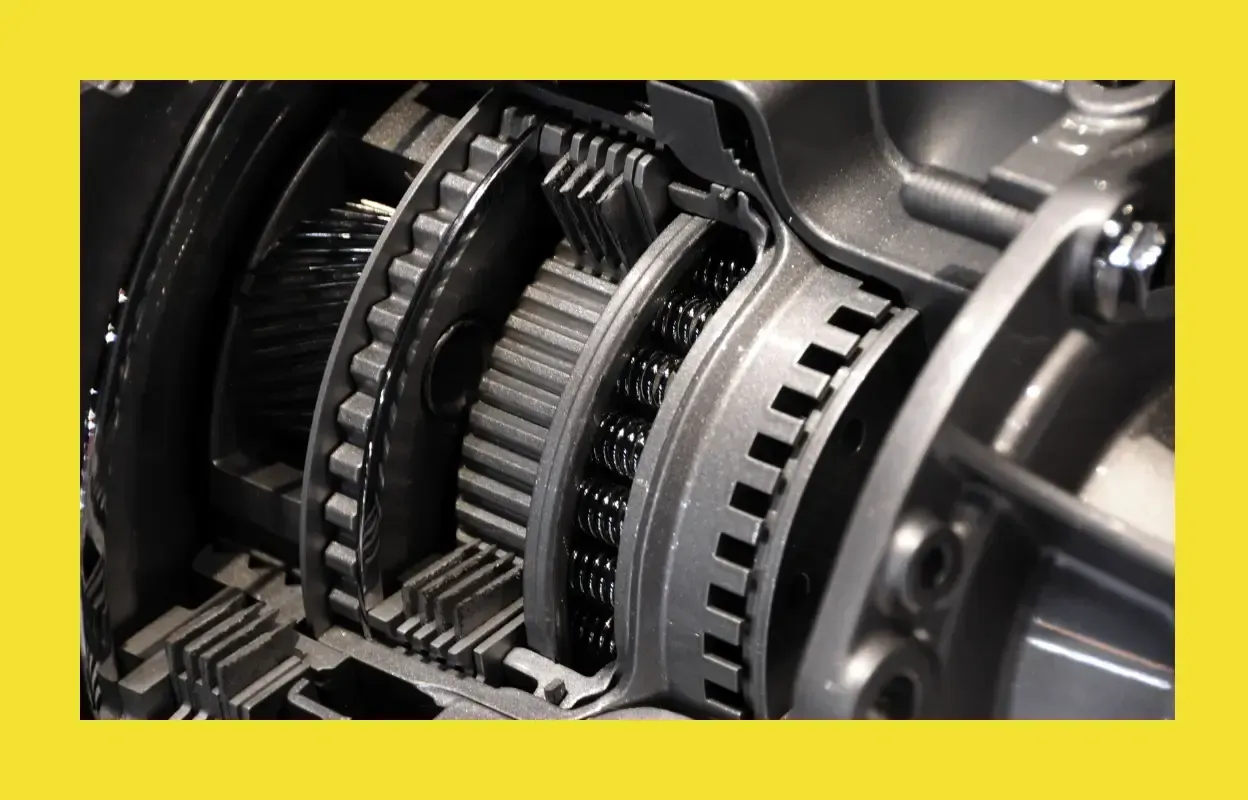
Transmission
The vehicle should accelerate smoothly without:
- Slipping
- Jerking
- Shuddering
- Grinding
- Harsh shifts
Brakes
Watch for:
- Pulling to one side
- Vibration
- Grinding
- A soft or spongy pedal
- Unusual noises
Steering and Suspension
Watch for:
- Pulling left or right
- Steering wheel vibration
- Clunks over bumps
- Excessive bouncing
- Loose or unstable handling
Highway Driving
At higher speeds, pay attention to:
- Vibration
- Humming or whining
- Steering instability
- Poor tracking
- Rising engine temperature
A proper test drive can reveal problems that may not be noticeable while the vehicle is parked.
10. Get an Independent Pre-Purchase Inspection
Even if the car looks good, drives well, and has a clean history report, get it professionally inspected before buying.
A pre-purchase inspection can uncover:
- Hidden fluid leaks
- Suspension problems
- Structural damage
- Undercarriage problems
- Diagnostic trouble codes
- Deferred maintenance
- Repairs that may be needed soon
Typical pre-purchase inspections on normal vehicles range from $120 to $250. Specialty vehicles can cost more to inspect.
Choose an independent mechanic rather than relying only on an inspection provided by the seller or dealership.
What if the seller refuses?
Walk away.
A seller who refuses to allow an independent inspection creates an unnecessary risk. Refusal of a pre-purchase inspection is one of the strongest warning signs in a used-car transaction that the seller is not being truthful in their description.
There are plenty of other used cars available.
11. Review the Title and Paperwork Before Paying
Do not hand over money until the paperwork checks out.
Verify:
- The seller's name matches the title.
- The VIN on the title matches the vehicle.
- The mileage is accurate.
- Any listed lien has been properly satisfied.
- The bill of sale is complete.
- Any warranty terms are in writing.
- Any "as is" terms are clearly understood.
- Dealer fees or charges are clearly disclosed
Paperwork inconsistencies can point to title problems, mileage issues, liens, or a seller who may not legally own the vehicle.
If something does not match, do not assume it can be fixed after the sale.
Used Car Red Flags That Should Make You Walk Away
Not every problem means you should reject a used car. Worn tires or an aging battery may simply affect the price.
Some warning signs are much more serious and you should consider walking away if:
- The seller refuses an independent inspection.
- The VIN does not match the title.
- The seller's name does not match the title.
- The VIN appears to have been tampered with.
- You find signs of undisclosed flood damage.
- The car appears to have major structural damage.
- There are major fluid leaks.
- The vehicle produces heavy or unusual exhaust smoke.
- The engine or transmission shows serious problems.
- The mileage does not match the vehicle's history.
- The seller cannot provide proper ownership documents.
- The seller pressures you to pay before you can inspect the car.
These are among the most serious warning signs identified in the supporting research.
Frequently Asked Questions
Do used cars have to pass an inspection before being sold in Florida?
No. Florida does not require routine safety or emissions inspections before a used vehicle can be sold or registered.
That makes your own inspection as well as an independent pre-purchase inspection especially important.
Should I have a used car inspected by a mechanic before buying it?
Yes.
An independent mechanic can identify problems that may not be obvious during your walkaround or test drive.
How can I tell if a used car has flood damage?
Look for musty odors, silt underneath carpeting, rust on interior metal components, moisture inside lights, water stains, or unusual electrical problems.
A clean interior does not guarantee that the car has never been flooded.
Can I return a used car after buying it in Florida?
Generally, no.
Florida does not provide an automatic cooling-off period for vehicle purchases. A return may only be possible if the seller provided a specific written return policy or another contractual right applies.
That is another reason to complete your inspection before signing.
Does Florida Lemon Law cover used cars?
Florida's Lemon Law generally applies to new or demonstrator vehicles rather than ordinary used-car purchases.
Used-car buyers should not assume Lemon Law protection will solve a problem discovered after purchase.
What should I do if the seller refuses a mechanic's inspection?
Do not buy the vehicle.
A refusal to allow an independent inspection creates unnecessary risk, especially when you cannot verify the condition of major mechanical or structural components yourself.
Final Takeaway
Do not let a low price or pressure from a seller convince you to skip the inspection process. Once the paperwork is signed, discovering a major problem afterward can become your responsibility. A good used-car inspection in Central Florida should focus on the issues that can cost you the most money later.
At
Marcos Auto Service, Used Car Inspections are one of our specialties. Our ASE-certified technicians examine every critical component of the vehicle including the engine, frame and car cooling system. Whether you're purchasing from a private seller or a dealership, our comprehensive pre-purchase inspections provide the clarity and confidence you need to avoid costly surprises.