Before You Replace Your Transmission, Ask These Questions

Dan Marcos • September 28, 2026

If your vehicle is experiencing rough shifting, hesitation, or a warning light, it can signal a problem with your transmission. Before approving a complete transmission replacement, ask what confirms the diagnosis, whether a smaller repair is possible, how much the replacement will cost and what warranty is included. You should understand why the work is needed and what your options are before committing.


Key Takeaways

  • Ask the shop to explain what testing supports their recommendation for a replacement.
  • Find out whether an individual component can be repaired instead.
  • Confirm the type of replacement and the full installed price.
  • Review the written warranty and check for existing coverage.
  • Consider a second opinion and your vehicle’s overall condition before deciding.


1. What Confirms That My Transmission Needs Replacing?

After taking your vehicle to a shop for an inspection, ask them what issues they found and why it requires a transmission replacement. A trouble code can help identify where to investigate, but it shouldn’t be the entire explanation for a major repair.


The shop should be able to describe the problem in plain language, explain what testing it performed, and connect the results to its recommendation. Request a diagnostic report or inspection photos when available.


You don’t need to understand every mechanical detail. You just need a clear answer to: “What failed, and why does that require replacing the transmission?”


2. Could a Smaller Repair Solve the Problem?

Some shifting complaints can involve a fluid leak, sensor issue, or individual component. An engine problem can also create hesitation that feels like a transmission issue.


Ask whether a targeted repair is possible and why the shop recommends replacement instead. Depending on the diagnosis, extensive internal damage may make a smaller repair impractical.


The goal is to understand which options were considered and why the recommended work makes sense for your vehicle.


3. What Type of Replacement Are You Recommending?

“Replacement transmission” can describe several different options:


  • Used: A transmission removed from another vehicle.
  • Rebuilt: A transmission taken apart and repaired by replacing worn or damaged components.
  • Remanufactured: A transmission restored through a remanufacturer’s rebuilding and testing process.
  • New: A newly manufactured transmission, when available.


Ask who supplies the unit, what is known about its condition, and what warranty comes with it. For a used transmission, ask whether its mileage and history are documented.


The label alone doesn’t tell you everything about quality or coverage. Have the shop explain why that option fits your vehicle, budget, and plans for keeping it.


4. What Is the Total Cost, and What Does It Include?

On average a new transmission can cost between six to seven-thousand dollars. However, the final cost will depend heavily on the following factors:


  • Make/Model
  • Automatic, manual, or CVT
  • Used, rebuilt, remanufactured, or new unit
  • Labor
  • Programming/calibration
  • Fluids and seals
  • Existing damage


To make sure you’re not getting scammed, ask for an itemized written estimate before approving the work. Confirm that it includes the transmission, installation labor, fluids, taxes, and any required programming or related repairs.


Ask whether anything remains uncertain and how the shop will obtain your approval if additional work becomes necessary.


If the transmission must be taken apart for further diagnosis, clarify the charges first:


“What will I owe for disassembly and reassembly if I decide not to proceed?”


Knowing those costs upfront helps you compare options before the vehicle is disassembled.


5. What Coverage Do I Have?

Before paying out of pocket, check whether a factory warranty, service contract, recall, or manufacturer warranty extension applies. A dealership or coverage provider can help confirm eligibility for your vehicle.


Then review the warranty on the proposed replacement. Ask:


  • Does it cover both parts and labor?
  • What are the time and mileage limits?
  • What expenses or failures are excluded?
  • Where can warranty repairs be performed?
  • Are there maintenance or follow-up requirements?


Get the terms in writing. A long warranty period matters less if important costs are excluded.


6. Should I Get a Second Opinion?

A second opinion can be useful when the diagnosis is unclear, your questions remain unanswered, or you’re unsure whether replacement is the best option.


Bring the first shop’s diagnostic report and written estimate. Ask the second shop to evaluate the problem and explain its own recommendation.

Compare the scope of work, replacement type, and warranty alongside the price. A lower estimate may include different parts or less coverage.


7. Is This Repair Worth It for My Vehicle?

Consider your whole vehicle before deciding. Is it otherwise dependable? Are other major repairs approaching? How much longer do you plan to keep it?


Compare the transmission replacement with the cost of obtaining another reliable vehicle, including any immediate maintenance that vehicle might need.


Mileage and resale value are useful context, but neither should decide the outcome alone. A replacement may make sense for an otherwise sound vehicle you intend to keep. Several other expensive problems could change that decision.


Final Thoughts

Transmission replacement is often one of the most costly services done to a vehicle. Before authorizing replacement, make sure you understand the diagnosis, available repair options, full cost, and warranty. If something remains unclear, ask for an explanation before signing.


At Marcos Auto Service, we understand that replacing a transmission can feel overwhelming, both technically and financially. That’s why we focus on clear communication, accurate diagnostics, and dependable solutions backed by warranty coverage for any auto repair in Longwood. If you’re experiencing shifting problems, schedule a diagnostic inspection and discuss the findings with us before deciding on the next step.


Timing belt sitting on a car engine
By Dan Marcos • November 11, 2026
Not sure if the timing belt or timing chair are timed out? Click here to learn about which one may be giving your vehicle some extra grief.
Car overheating on the side of the road
By Dan Marcos • November 4, 2026
Your car may overheat in Florida traffic because its cooling system is not getting enough airflow at low speeds. On the highway, moving air helps the radiator release engine heat. When you stop, the radiator fans become especially important. If it is not working properly, the temperature can climb.  Low coolant, leaks, and coolant flow problems can also contribute. A temperature gauge that returns to normal once traffic starts moving does not mean the underlying problem is fixed. Key Takeaways Overheating in traffic often points to a cooling-fan or airflow problem. Low coolant, leaks, and other cooling-system faults can cause similar symptoms. Florida heat and A/C use can make an existing problem more noticeable. Cooling down on the highway does not mean the car is safe to keep driving. An overheating warning, a gauge in the hot zone, or steam requires prompt action. Why Traffic and Florida Heat Make It Worse Your engine keeps producing heat while you wait at a red light. Without the airflow created by driving, the radiator cooling fan must help move air through the radiator. A fan that fails to turn on or moves too little air may leave the system unable to keep up. Florida’s hot weather adds to the challenge because the radiator has a harder time releasing heat into already-hot air. Running the vehicle's air conditioning system also increases cooling demand. Together, these conditions can expose a problem that is less noticeable on an open road. Repeated overheating deserves attention, even if it happens only on hot afternoons or with the A/C running. What Could Be Causing It? A radiator fan or cooling fan-control problem. If your vehicle has electric cooling fans, the fan may not switch on when needed or may not move enough air. The issue could involve the fan itself, a fuse, wiring, or its controls. Some vehicles have a mechanical radiator cooling fan attached to the serpentine belt. When the fan clutch on it wears out, it might not move enough air at low speeds or in traffic due to the lack of resistance. With these symptoms appearing when airflow drops, fan operation is an important starting point for diagnosis. Low coolant or a leak. Coolant carries heat away from the engine. If the level is low, the system may struggle to control temperature. Repeatedly needing to add coolant is a reason to have the system checked. Blocked radiator airflow. Leaves, road debris, or other obstructions can restrict air moving through the cooling components at the front of the vehicle. Other cooling-system problems. A thermostat, water pump, or radiator problem can interfere with cooling. These possibilities require testing; the driving pattern alone does not confirm which part has failed. Overheating in traffic also does not automatically mean you have a blown head gasket. A reputable shop can independently check to see if this is the issue. What to Do if Your Car Starts Overheating If the gauge moves toward the hot zone, an overheating warning appears, or steam comes from under the hood, take it seriously. Pull over somewhere safe. Do not try to reach the highway in hopes that faster driving will cool the engine. Shut off an overheating engine. Follow any vehicle-specific dashboard or owner’s-manual instructions. Continuing to run or drive an overheating engine can cause serious damage. Leave hot cooling-system caps closed. Never remove a radiator or pressurized coolant-reservoir cap while hot. The pressure in the system can cause the hot coolant to spew out causing severe burns. If steam is coming out, wait until it stops before opening the hood. Call for help if overheating persists or returns. Visible coolant loss or another temperature spike is a reason to arrange roadside assistance rather than continue the trip. Turning off the A/C may reduce cooling demand, but it does not repair the fault or make an overheating vehicle safe to drive. What to Tell the Mechanic You do not need to diagnose the problem yourself. Simply being able to describe the symptoms can help a mechanic pinpoint the issue. When driving, look for details like: Does the temperature rise while stopped, in slow traffic, or during other driving? Does running the A/C make it worse? Does the temperature fall once the vehicle starts moving? Have you noticed coolant loss or had recent cooling-system work? Do not deliberately recreate the overheating to gather these details. The shop can use your observations to guide checks of the cooling fan, coolant level, leaks, radiator airflow, and coolant circulation. Adding coolant or requesting a flush is not a complete repair plan. Topping off cannot fix a leak, and a flush cannot repair a failed fan or electrical fault. Testing helps identify what actually needs attention. Get the Cause Checked Before Your Next Commute If your car repeatedly gets hot in traffic, arrange a cooling-system inspection before relying on it for another trip. Finding and repairing the cause can help prevent another breakdown and more serious engine damage. At Marcos Auto Service, our ASE-certified technicians use state-of-the-art diagnostics to assess your system’s condition and deliver precision repairs or maintenance.
By Marcos Auto Service • November 2, 2026
Enhance tire longevity with expert advice from Marcos Auto Service in Longwood, FL. We offer premier tire services to keep your vehicle running smoothly. Schedule an online appointment now!
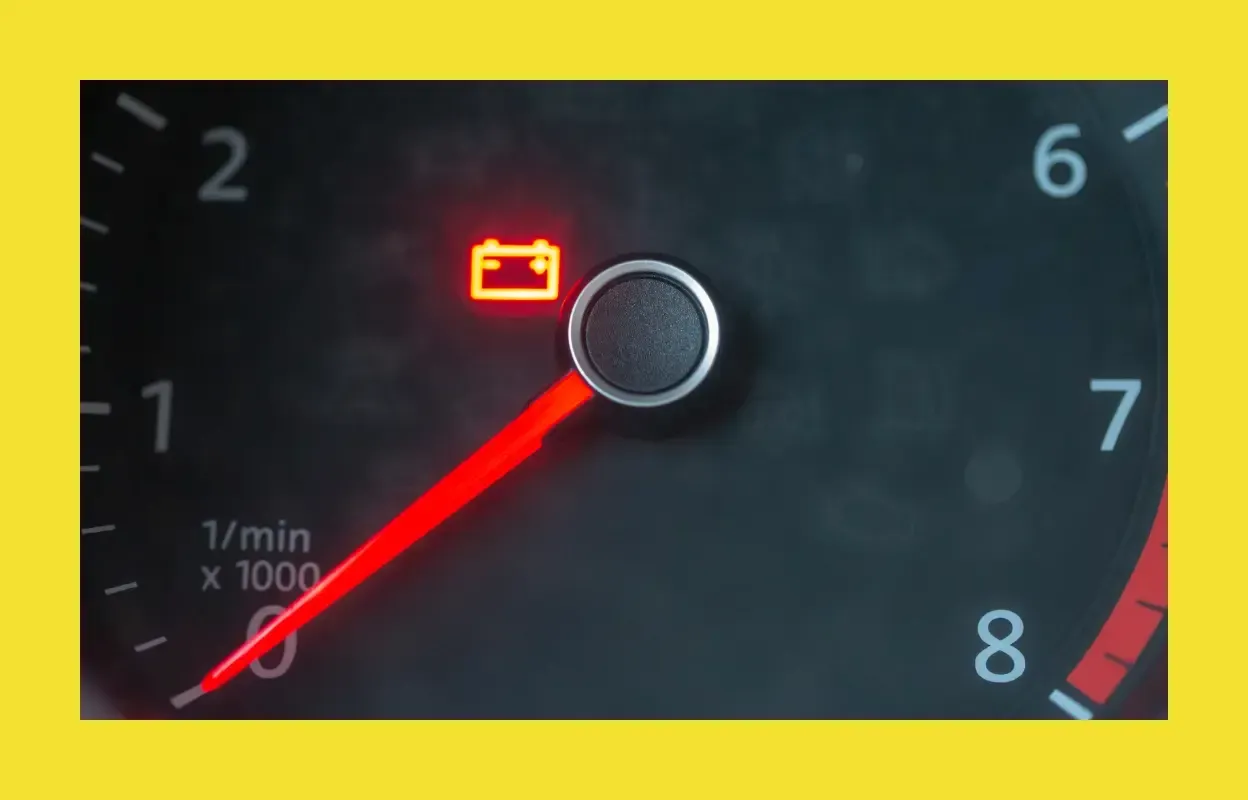
Car Battery light coming on in the car
By Dan Marcos • October 26, 2026
It may be more than just the Central Florida heat ruining your car battery's life. Learn more about how to keep your battery running longer.
By Marcos Auto Service • October 5, 2026
Experience top-notch oil change services with Marcos Auto Service in Longwood, FL. Your reliable choice for auto care. Schedule an appointment today!
By Marcos Auto Service • September 7, 2026
Enhance your vehicle's safety with expert brake maintenance from Marcos Auto Service in Longwood. Ensure optimal performance and drive with confidence.
Car Air Conditioning blowing air
By Dan Marcos • September 4, 2026
You feel the AC come on but it only blows hot air. Learn how the Longwood, Florida heat can affect your car's AC and how to get it working again.
Mechanic performing an inspection on a used car in Longwood, FL
By Dan Marcos • August 25, 2026
Don't take a seller's word as gospel. Here is a list of what to look over when you buy your next used car so you don't get scammed.
Marcos Auto Service working on tire rotation service in Longwood, FL
By Dan Marcos • August 20, 2026
Is it by milage? Time? Wear? Learn more about how often Longwood drivers should rotate their tires. We factor in milage, time, and even weather.
By Marcos Auto Service • August 10, 2026
Discover how advanced computer diagnostics at Marcos Auto Service in Longwood, FL, can keep your car running smoothly. Visit us today!
More Posts