What Dashboard Warning Lights Should Longwood Drivers Take Seriously?

Dan Marcos • November 18, 2026

Dashboard warning lights can tell you quite a bit about the current status of your vehicle. These lights can tell you everything from low fuel and low tire pressure, to an engine overheating. The icon, color and message can all have different meanings depending on your vehicle so it is always best to consult your owner’s manual. 


Key Takeaways

  • Oil-pressure and overheating warnings call for pulling over safely and shutting off the engine.
  • A red brake warning, flashing check-engine light, or battery/charging warning needs immediate attention.
  • Tire-pressure, ABS, airbag, and steady check-engine warnings still require action, even if the car feels normal.
  • Read the dashboard message and follow your owner’s manual. Color alone does not tell you how serious a warning is.
  • Have the cause diagnosed instead of simply clearing the light.


Oil pressure, engine temperature, brake-system, flashing check-engine, and charging-system warnings deserve the quickest response. They can signal a problem that affects your ability to keep driving safely or risks serious damage to the vehicle.


Other warnings may give you time to arrange service, but they should not stay on your to-do list indefinitely. Here is what Longwood drivers need to know about the most common lights.


Dashboard Warning Lights That Need Immediate Attention

Oil Pressure Warning

The oil-can symbol can warn that the engine is not getting adequate oil pressure. Continuing to run it can cause serious damage.

Pull over safely and shut off the engine. Follow your owner’s manual before checking the oil or restarting. If the warning remains on, arrange assistance. This warning is different from a routine oil-change reminder.


Engine Temperature Warning

A temperature warning or gauge in the hot zone can mean the engine is overheating. Stop in a safe place, shut off the engine, and let it cool. Never open the radiator or coolant reservoir cap while the system is hot.


Do not assume cooling down has fixed the problem. Follow the vehicle’s instructions and arrange help if the cause is unresolved. Manufacturer guidance explains the need to stop for both oil-pressure and overheating warnings.


Red Brake Warning

First, check whether the parking brake is fully released. A red brake light that stays on can indicate low brake fluid or another brake-system fault.

Stop safely and get assistance. If the pedal feels soft, stopping takes longer, or braking changes, arrange a tow. An ABS warning appearing alongside the red brake light also deserves urgent attention.


Flashing Check Engine Light

A flashing check-engine light can indicate an engine misfire that may damage the catalytic converter. It is more urgent than a steady light.

Avoid hard acceleration, pull over safely, and seek assistance. If the flashing continues or the engine shakes or loses power, arrange a tow rather than continuing your trip. Follow the instructions in your owner’s manual.


Battery or Charging Warning

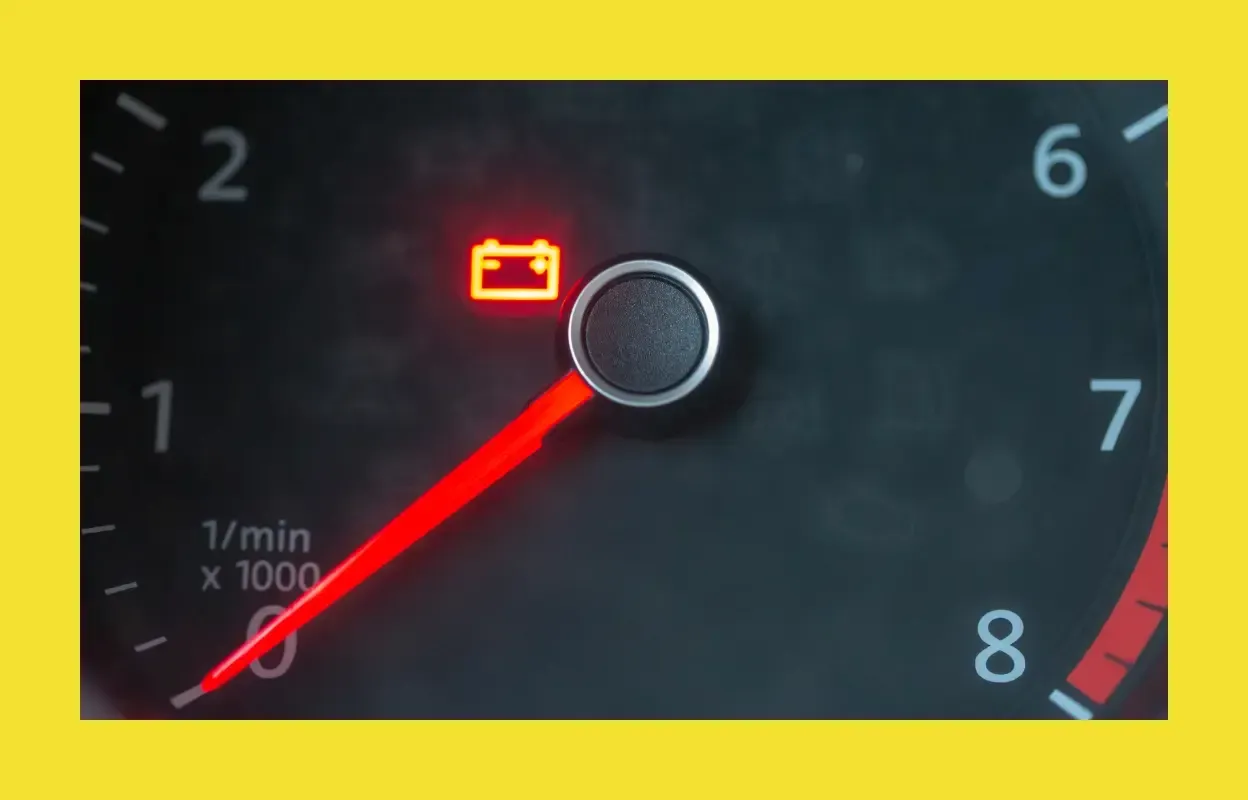
The battery-shaped light can indicate a charging-system problem. The cause may involve the alternator, a belt, wiring, or the battery itself.

The vehicle may keep running temporarily, but it could lose power or stall. Get to a safe location and arrange help promptly. Avoid unnecessary electrical use while keeping safety equipment, such as needed headlights and wipers, operating.


Other Dashboard Warning Lights You Should Address Promptly

Steady Check Engine Light

A steady light means the vehicle has detected a fault that needs diagnosis. If it runs normally, arrange an inspection promptly and follow the owner’s manual about continued driving. Shaking, power loss, smoke, or other symptoms increase the urgency.


Tire Pressure Light

Check your tires and their pressure as soon as you can safely stop. A tire can be significantly underinflated without looking flat.

Use the recommended pressure on the driver’s door label or in the owner’s manual. NHTSA recommends checking pressure promptly when this warning appears. Do not continue driving on a flat or visibly damaged tire.


ABS Warning

An ABS light can mean anti-lock braking is unavailable. Regular braking may still work, but the vehicle may respond differently during a hard stop. Arrange service promptly, allow more following distance, and treat any red brake warning or change in braking as urgent.


Airbag Warning

An airbag or SRS warning can indicate that part of the restraint system may not work correctly in a crash. Have it inspected promptly, even if the vehicle otherwise drives normally.


Traction or Stability Control Warning

A brief flash on a slippery road can mean the system is actively helping control wheel slip. A persistent warning may indicate a fault; a separate “off” indicator may mean the feature was disabled. Check the message and owner’s manual.


On Longwood’s wet roads, functioning tires, brakes, and traction systems matter. A vehicle feeling normal on dry pavement does not establish how it will respond in the rain.


What to Do When a Dashboard Warning Light Appears

  1. Identify the warning. Read any accompanying message and follow the instructions for your vehicle. Some lights briefly illuminate during a normal startup check.
  2. Pay attention to symptoms. Overheating, smoke, severe shaking, power loss, or braking changes call for a safe stop and assistance.
  3. Record what happened once parked. Note the light, whether it flashed, when it appeared, and any symptoms. A photo of the display can help the shop.
  4. Leave the codes intact. Avoid clearing the light or disconnecting the battery before inspection. Doing so can erase information useful for diagnosis.


Common Questions About Dashboard Warning Lights

Can I Keep Driving If the Car Feels Normal

That depends on the warning. An oil-pressure warning calls for stopping even before you hear unusual noises. A steady check-engine light may allow time to arrange service. Use the specific warning, symptoms, and owner’s manual to guide your response.


What If the Light Turns Off

An intermittent warning may still need inspection. Note when it appeared and any symptoms. For a tire-pressure warning, check the pressure even if the light goes out.


Does a Code Scan Tell Me What Needs Replacing

A code scan helps identify where a problem was detected. A technician may need additional testing to determine the cause and the appropriate repair.


Get a Dashboard Warning Diagnosed in Longwood

Schedule a diagnostic inspection with an auto repair shop to find out what triggered the warning and what needs attention. At Marcos Auto Service, we provide professional computer diagnostics in Longwood, FL, using cutting-edge technology to identify and resolve issues even in today’s technologically advanced vehicles. Our ASE-certified technicians have the expertise to interpret warning lights and trouble codes to pinpoint the root cause of performance issues. If the warning calls for stopping, arrange roadside assistance or towing before attempting to drive to the shop.
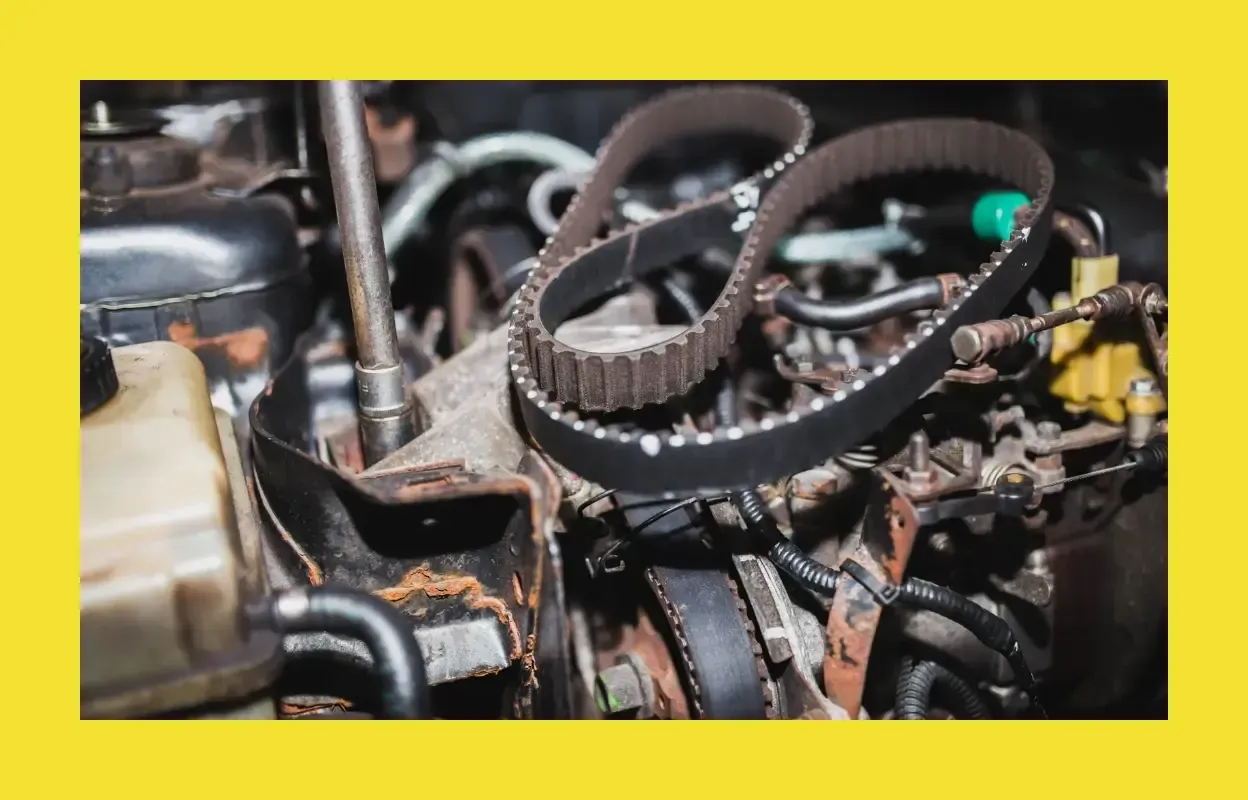

Timing belt sitting on a car engine
By Dan Marcos • November 11, 2026
Not sure if the timing belt or timing chair are timed out? Click here to learn about which one may be giving your vehicle some extra grief.
Car overheating on the side of the road
By Dan Marcos • November 4, 2026
Your car may overheat in Florida traffic because its cooling system is not getting enough airflow at low speeds. On the highway, moving air helps the radiator release engine heat. When you stop, the radiator fans become especially important. If it is not working properly, the temperature can climb.  Low coolant, leaks, and coolant flow problems can also contribute. A temperature gauge that returns to normal once traffic starts moving does not mean the underlying problem is fixed. Key Takeaways Overheating in traffic often points to a cooling-fan or airflow problem. Low coolant, leaks, and other cooling-system faults can cause similar symptoms. Florida heat and A/C use can make an existing problem more noticeable. Cooling down on the highway does not mean the car is safe to keep driving. An overheating warning, a gauge in the hot zone, or steam requires prompt action. Why Traffic and Florida Heat Make It Worse Your engine keeps producing heat while you wait at a red light. Without the airflow created by driving, the radiator cooling fan must help move air through the radiator. A fan that fails to turn on or moves too little air may leave the system unable to keep up. Florida’s hot weather adds to the challenge because the radiator has a harder time releasing heat into already-hot air. Running the vehicle's air conditioning system also increases cooling demand. Together, these conditions can expose a problem that is less noticeable on an open road. Repeated overheating deserves attention, even if it happens only on hot afternoons or with the A/C running. What Could Be Causing It? A radiator fan or cooling fan-control problem. If your vehicle has electric cooling fans, the fan may not switch on when needed or may not move enough air. The issue could involve the fan itself, a fuse, wiring, or its controls. Some vehicles have a mechanical radiator cooling fan attached to the serpentine belt. When the fan clutch on it wears out, it might not move enough air at low speeds or in traffic due to the lack of resistance. With these symptoms appearing when airflow drops, fan operation is an important starting point for diagnosis. Low coolant or a leak. Coolant carries heat away from the engine. If the level is low, the system may struggle to control temperature. Repeatedly needing to add coolant is a reason to have the system checked. Blocked radiator airflow. Leaves, road debris, or other obstructions can restrict air moving through the cooling components at the front of the vehicle. Other cooling-system problems. A thermostat, water pump, or radiator problem can interfere with cooling. These possibilities require testing; the driving pattern alone does not confirm which part has failed. Overheating in traffic also does not automatically mean you have a blown head gasket. A reputable shop can independently check to see if this is the issue. What to Do if Your Car Starts Overheating If the gauge moves toward the hot zone, an overheating warning appears, or steam comes from under the hood, take it seriously. Pull over somewhere safe. Do not try to reach the highway in hopes that faster driving will cool the engine. Shut off an overheating engine. Follow any vehicle-specific dashboard or owner’s-manual instructions. Continuing to run or drive an overheating engine can cause serious damage. Leave hot cooling-system caps closed. Never remove a radiator or pressurized coolant-reservoir cap while hot. The pressure in the system can cause the hot coolant to spew out causing severe burns. If steam is coming out, wait until it stops before opening the hood. Call for help if overheating persists or returns. Visible coolant loss or another temperature spike is a reason to arrange roadside assistance rather than continue the trip. Turning off the A/C may reduce cooling demand, but it does not repair the fault or make an overheating vehicle safe to drive. What to Tell the Mechanic You do not need to diagnose the problem yourself. Simply being able to describe the symptoms can help a mechanic pinpoint the issue. When driving, look for details like: Does the temperature rise while stopped, in slow traffic, or during other driving? Does running the A/C make it worse? Does the temperature fall once the vehicle starts moving? Have you noticed coolant loss or had recent cooling-system work? Do not deliberately recreate the overheating to gather these details. The shop can use your observations to guide checks of the cooling fan, coolant level, leaks, radiator airflow, and coolant circulation. Adding coolant or requesting a flush is not a complete repair plan. Topping off cannot fix a leak, and a flush cannot repair a failed fan or electrical fault. Testing helps identify what actually needs attention. Get the Cause Checked Before Your Next Commute If your car repeatedly gets hot in traffic, arrange a cooling-system inspection before relying on it for another trip. Finding and repairing the cause can help prevent another breakdown and more serious engine damage. At Marcos Auto Service, our ASE-certified technicians use state-of-the-art diagnostics to assess your system’s condition and deliver precision repairs or maintenance.
By Marcos Auto Service • November 2, 2026
Enhance tire longevity with expert advice from Marcos Auto Service in Longwood, FL. We offer premier tire services to keep your vehicle running smoothly. Schedule an online appointment now!
Car Battery light coming on in the car
By Dan Marcos • October 26, 2026
It may be more than just the Central Florida heat ruining your car battery's life. Learn more about how to keep your battery running longer.
By Marcos Auto Service • October 5, 2026
Experience top-notch oil change services with Marcos Auto Service in Longwood, FL. Your reliable choice for auto care. Schedule an appointment today!
Interior of a transmission in a car
By Dan Marcos • September 28, 2026
If you think you need to replace your transmission, take a pause. Ask these simple questions before you go and spend money you may not have to.
By Marcos Auto Service • September 7, 2026
Enhance your vehicle's safety with expert brake maintenance from Marcos Auto Service in Longwood. Ensure optimal performance and drive with confidence.
Car Air Conditioning blowing air
By Dan Marcos • September 4, 2026
You feel the AC come on but it only blows hot air. Learn how the Longwood, Florida heat can affect your car's AC and how to get it working again.
Mechanic performing an inspection on a used car in Longwood, FL
By Dan Marcos • August 25, 2026
Don't take a seller's word as gospel. Here is a list of what to look over when you buy your next used car so you don't get scammed.
Marcos Auto Service working on tire rotation service in Longwood, FL
By Dan Marcos • August 20, 2026
Is it by milage? Time? Wear? Learn more about how often Longwood drivers should rotate their tires. We factor in milage, time, and even weather.
More Posts