Timing Belt vs Timing Chain: What Longwood Drivers Need to Know Before It Fails
A vehicle’s timing belt or timing chain play a very important role in keeping the engine running smoothly. When these parts wear out or fail, they can cause serious damage and leave your vehicle stranded. Timing belts generally need scheduled replacement. Timing chains often have no routine replacement interval, but they still need proper maintenance.
The first step is to find out which one your vehicle uses and what the manufacturer recommends. That tells you whether replacement is due, which maintenance matters, and when a problem needs attention.
Key Takeaways
- Follow your vehicle’s timing belt replacement schedule, including any specified age limit.
- Timing chains can develop problems. Correct oil, proper oil levels, and timely oil changes matter.
- An overdue timing belt needs attention even if the engine runs normally.
- Unusual rattling, starting trouble, or rough running needs diagnosis.
- Addressing scheduled maintenance and developing problems can help you avoid major engine repairs.
Timing Belt vs Timing Chain
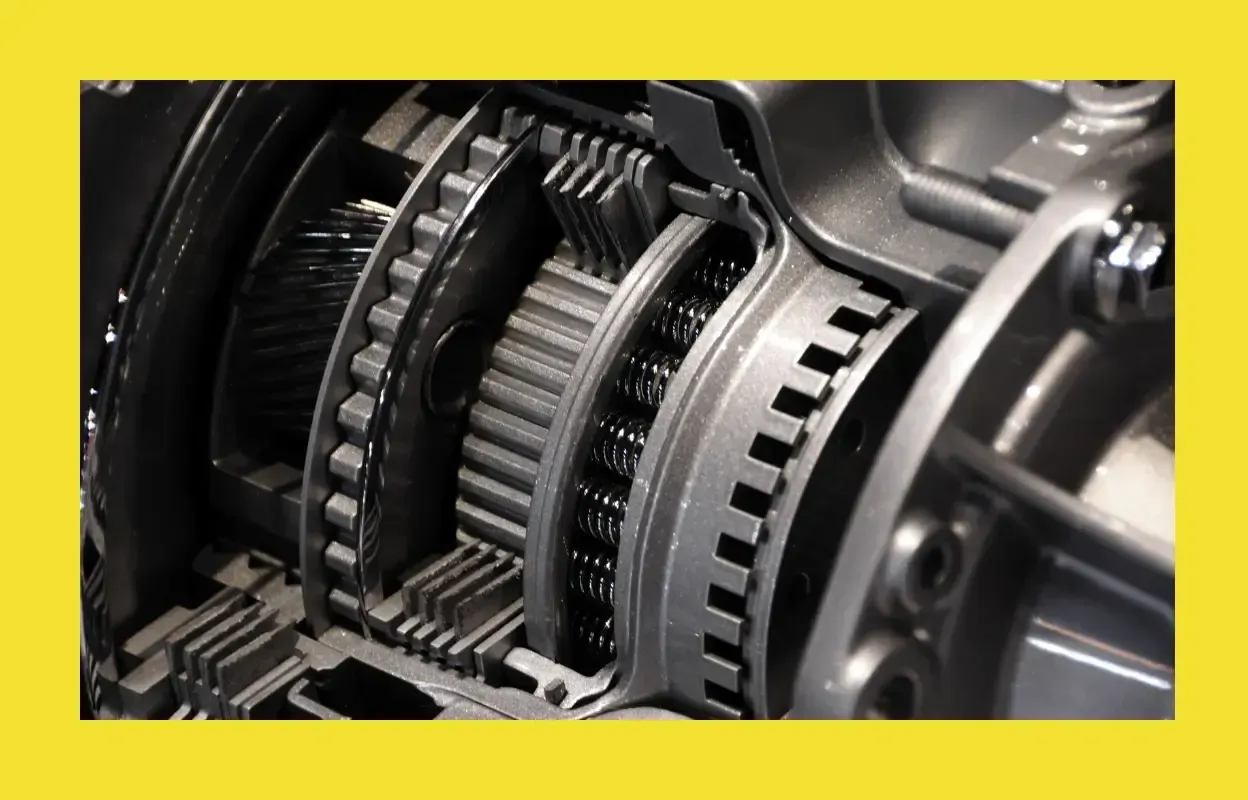
A timing belt is a reinforced rubber belt. A timing chain is made of metal. Both coordinate movement inside the engine so its valves open and close at the right time.
For drivers, the biggest difference is maintenance. A belt typically has a replacement schedule. A chain may last much longer, but the chain and its supporting components can still wear or fail.
To confirm which system you have, check manufacturer information for your exact vehicle model year and engine, or ask a repair shop to verify it. The same vehicle model can use different engines so it is always best to double check.
Also, the visible belt under the hood is usually an accessory or serpentine belt, not a timing belt. Replacing that belt does not mean your timing belt has been replaced.
When a Timing Belt or Timing Chain Needs Service
For a timing belt, follow the vehicle’s replacement schedule. If the manufacturer specifies both mileage and age limits, use whichever comes first. Driving fewer miles does not cancel an age-based requirement.
Do not postpone replacement because the engine sounds fine or an inspection says the belt looks good. Appearance alone cannot establish how much life remains.
For a timing chain, stay current on oil maintenance. Use the specified oil, maintain the correct level, and follow the appropriate oil-change schedule. A chain without a routine replacement interval may still need repairs if a technician finds wear or a problem with its guides or tensioner.
If you do not know the service history, look for invoices or records showing when the timing belt was replaced. Ask a shop to compare the available history with your vehicle’s age, mileage, and maintenance requirements.
For Longwood drivers, frequent short trips, extended idling, and stop-and-go traffic can affect a vehicle’s maintenance schedule. Check your manufacturer’s guidance for those conditions rather than assuming every Florida vehicle needs the same interval.
Warning Signs to Have Checked
Arrange a diagnosis if you notice:
- New or persistent rattling from the engine.
- Rough running or starting problems.
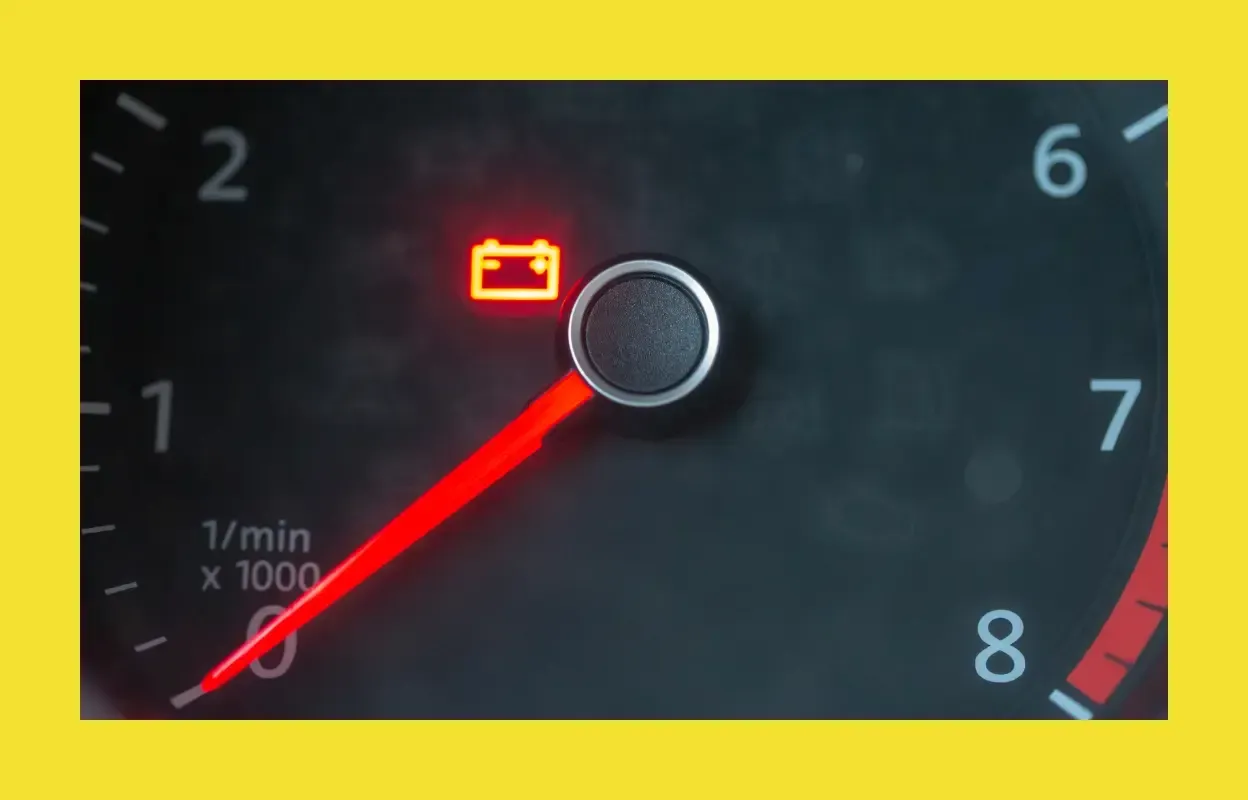
- A check-engine light, especially alongside a change in how the vehicle runs.
These symptoms can have several causes. A rattle does not automatically mean you need a timing chain, and a warning light alone does not identify the failed part.
If you suspect a timing failure after sudden stalling or severe mechanical noise, pull over safely, shut the engine off, and arrange a tow. Avoid repeatedly trying to restart it, which could cause additional damage.
Remember that a timing belt can fail without obvious warning. Symptoms are a reason to investigate and scheduled replacement should not depend on having symptoms.
Why Waiting Can Become Expensive
In some engines, lost timing can allow pistons and valves to collide. That can turn a timing-system repair into substantial internal engine work. The damage depends on the engine and what happened during the failure.
Replacement costs also vary because some timing systems take much more labor to reach. Related components may need attention during the same service.
When comparing estimates, ask:
- What parts are included? Confirm whether the quote covers just the belt or chain, or also the related components your engine needs.
- Does replacing the water pump at the same time make sense? On some engines, the timing system drives the pump or accessing it involves overlapping labor.
- What warranty covers the repair? Ask about both parts and labor.
An itemized estimate helps you understand the work and compare quotes on the same basis.
Find Out What Your Vehicle Needs Next
Start by confirming your timing system, reviewing your maintenance records, and checking what service is due. If the records are incomplete or you have noticed a new engine problem, schedule a maintenance review or diagnosis. At
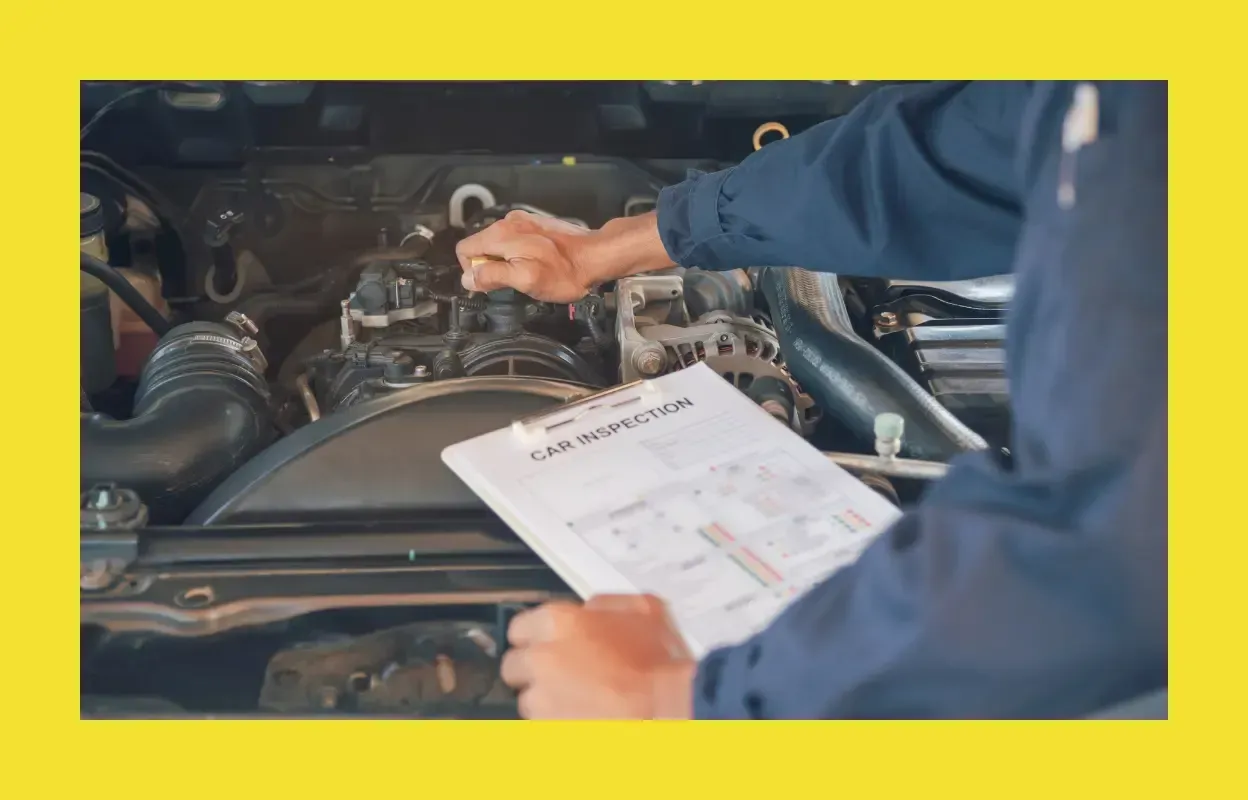
Marcos Auto Service, our ASE-certified technicians provide you with a complete digital inspection and use high-quality replacement parts to help prevent premature failure.