Brake Pads, Rotors, or Calipers: How to Tell What Your Car Might Need
Your brakes are one of the most important systems on your vehicle. If your brakes are squealing, grinding, shaking, pulling, or smelling hot, you probably want a clear answer fast, and you want to know what your car actually needs.
The issue could be worn brake pads, bad rotors, a sticking caliper, or a combination of different brake system parts. If you are noticing brake problems in Longwood, FL, here are the symptoms to watch for before scheduling brake service.
Key Takeaways
- Squealing is often a sign you need new brake pads. A high-pitched squeal usually means the brake pads are getting thin.
- Grinding is more serious. Grinding can mean the brake pad material is gone, which may cause metal-on-metal contact.
- Shaking or pulsing is usually a sign of bad rotors. If the steering wheel or brake pedal vibrates when braking, the rotors may be uneven, worn, or damaged.
- Pulling, burning smells, or one hot wheel may point to caliper trouble. A sticking caliper can keep the brake engaged even when you are not pressing the pedal.
- Brake symptoms can overlap. Noise, vibration, pulling, or poor stopping can have more than one cause.
- Some brake problems are urgent. Fluid leaks, a sinking pedal, smoke, burning smells, severe pulling, or loud grinding should not be ignored.
Quick Answers: What Brake Part Might You Need?
Here is the simplest way to think about it.
If Your Brakes Squeal
You may need brake pads.
Many brake pads are designed to make a squealing or chirping sound when they get too thin. This sound is often a warning that it is time to schedule brake service before the pads wear down completely.
If Your Brakes Grind
You may need brake pads and possibly rotors.
Grinding is usually more serious than squealing. It can mean the brake pad material has worn away, which allows metal parts to scrape against the rotor. This can reduce stopping power, damage the rotor, and make the repair more expensive.
If the Pedal or Steering Wheel Shakes When Braking
You may need rotors.
Brake rotors need to stay smooth and even. If they become worn, uneven, scored, or damaged by heat, you may feel vibration through the brake pedal or steering wheel when you slow down. These symptoms are typically signs of bad rotors.
If the Car Pulls to One Side or One Wheel Smells Hot
You may need caliper service or replacement.
The caliper squeezes the brake pads against the rotor to slow your vehicle down. If it sticks, it may keep pressure on the brake even when your foot is off the pedal. This can cause your vehicle to pull to one side, excessive heat, uneven pad wear and burning smells.
If the Brake Pedal Feels Soft or Sinks To The Floor
This may be a brake fluid or hydraulic system issue.
A soft, spongy, or sinking brake pedal should be inspected right away. It can point to fluid loss, or another issue that affects the vehicle’s ability to stop safely.
How Vehicle Brakes Work
Modern vehicle braking systems are composed of three main parts that are on each wheel. These parts include the brake rotor, brake caliper, and brake pads. In simple terms, when you push on the brake pedal, the caliper presses the brake pads against the rotor.
The friction created by this slows the wheel down, allowing the vehicle to come to a stop.
What Brake Pads Do
Brake pads are the friction material that press against the rotors to slow the vehicle. They are designed to wear down over time, which means they usually need replacement more often than rotors or calipers.
Signs You May Need Brake Pads
You may need new brake pads if you notice:
- Squealing or chirping when braking
- Grinding when braking
- Longer stopping distance
- A brake warning light on some vehicles
- Scraping sounds
- Thin brake pad material during inspection
Squealing usually means the pads are getting low. Grinding usually means the problem has gone further, so the vehicle should be inspected as soon as possible.
What Rotors Do
Rotors are the metal discs that the brake pads press against. They need to be smooth, even, and thick enough to help the vehicle stop properly.
Signs of Bad Rotors
You may need rotor service or replacement if you notice:
- Brake pedal shaking during braking
- Steering wheel shaking while braking
- Vibration when slowing down
- Deep grooves on the rotor surface
- Scraping or grinding damage
- Rust, uneven wear, or heat damage
Rotors do not always need to be replaced every time the brake pads are changed. However, they must be in good condition. If the rotors are too thin, deeply scored, warped, or damaged, they may need to be replaced.
What Calipers Do
Calipers squeeze the brake pads against the rotors. They usually last longer than pads or rotors, but they can still fail.
A caliper problem is important because it can cause the brake to drag. That means the brake pads may stay partly pressed against the rotor, even when you are not pressing the pedal.
Signs You May Need Caliper Repair or Replacement
You may have a caliper issue if you notice:
- The car pulls to one side when braking
- One wheel feels hotter than the others
- A burning smell after driving
- Uneven brake pad wear
- Brake fluid leaking near a wheel
- A dragging feeling while driving
- Lower fuel economy caused by brake drag
A sticking caliper can damage the brake pads and rotors if it is ignored. It can also create excessive heat, which may affect braking performance.
Pads vs. Rotors vs. Calipers: Simple Symptom Guide
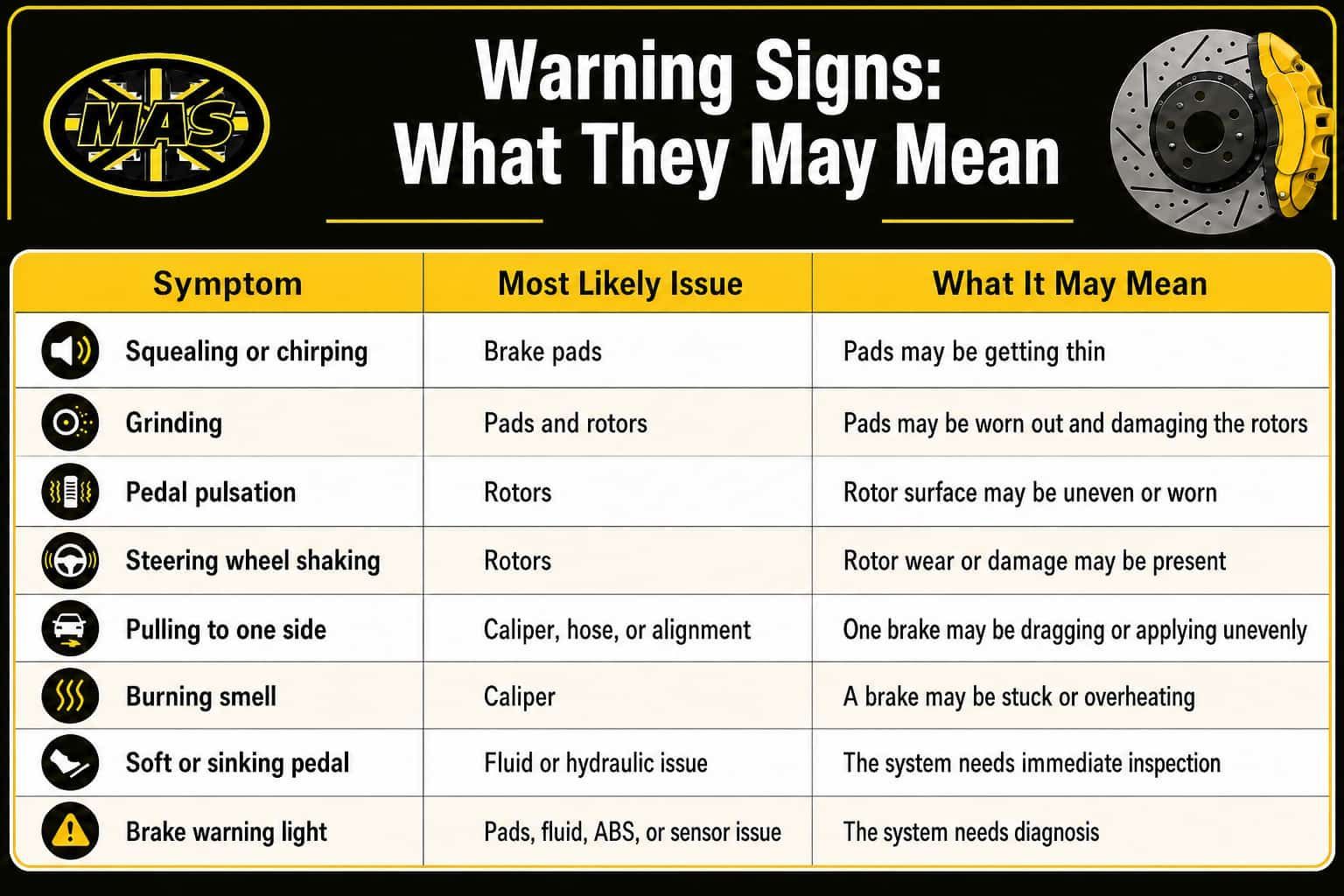
This guide can help you understand what might be happening, but it is not a substitute for an inspection. Brake symptoms can overlap, so the same noise or vibration may have more than one possible cause.
Can You Replace Brake Pads Without Replacing Rotors?
Yes, in some cases.
Brake pads can usually be replaced without replacing the rotors if the rotors are still smooth, thick enough, and free of major damage. If the rotors are in good shape, replacing just the pads may be enough.
New pads should not be installed on rotors that are deeply grooved, uneven, or too thin. Worn rotors can cause noise, vibration, poor contact, and faster pad wear. A brake inspection should include a thorough rotor examination to confirm whether the rotors can be reused or should be replaced.
Signs You Need New Brake Pads Soon
Some brake symptoms mean you should stop driving and schedule service as soon as possible.
Stop Driving and Call for Help If You Notice:
- Loud metal-on-metal grinding
- Brake fluid leaking near a wheel
- A brake pedal that sinks to the floor
- Smoke near a wheel
- A strong burning smell
- Severe pulling when braking
- A much longer stopping distance or major loss of braking power
These symptoms can affect your ability to stop safely and cause an accident. Do not wait to have them checked.
Schedule Brake Service Soon If You Notice:
- Squealing or chirping
- Mild vibration when braking
- A brake warning light
- Slightly longer stopping distance
- Visible brake wear during service
These symptoms may not always mean an emergency, but they should not be ignored. Brake problems usually get worse over time.
What to Ask the Mechanic
If a shop recommends brake work, you should ask clear questions so you understand what your car actually needs. Ask:
- How many millimeters of brake pad material are left?
- Are the rotors still above minimum thickness?
- Are the rotors smooth enough to reuse?
- Do the rotors need to be replaced?
- Are the caliper slide pins moving freely?
- Is there any brake fluid leaking?
- Is the brake fluid in good condition?
- Is the brake wear even on both sides?
These questions help you make a more informed decision. They also help confirm whether the recommendation is based on actual wear, visible damage, or a safety concern.
FAQs About Brake Pads, Rotors, and Calipers
What are the signs you need new brake pads?
Some common signs you need new brake pads include squealing, chirping, grinding, scraping, longer stopping distance, or a brake warning light. You may also be able to see that the brake pad material is getting thin during an inspection.
Squealing often means the pads are getting low. Grinding is usually more serious and may mean the pad material has worn down too far. If you hear grinding, the vehicle should be inspected as soon as possible.
What are the signs of bad rotors?
Common signs of bad rotors include shaking in the steering wheel, pulsing in the brake pedal, vibration when slowing down, deep grooves on the rotor surface, or scraping sounds while braking.
Rotors need to stay smooth and even so the brake pads can press against them properly. If the rotors are worn, uneven, too thin, or damaged by heat, they may need to be resurfaced or replaced.
Can I drive with grinding brakes?
You should not keep driving with grinding brakes if you can avoid it. Grinding can mean the brake pad material is gone, which may allow metal parts to scrape against the rotor.
This can reduce stopping power, damage more brake parts, and make the repair more expensive. If your brakes are grinding, schedule service as soon as possible.
Do I need new rotors every time I replace brake pads?
Not always. Brake pads can sometimes be replaced without replacing the rotors if the rotors are still smooth, thick enough, and free of major damage.
However, new pads should not be installed on rotors that are deeply grooved, uneven, warped, or too thin. A brake inspection can confirm whether the rotors can be reused or need to be replaced.
How often should brakes be inspected?
Brake inspection timing can depend on your vehicle, driving habits, and the type of driving you do. Stop-and-go traffic, heavy braking, and frequent short trips can wear brake parts faster.
A good rule is to have your brakes checked during regular maintenance, tire rotations, or anytime you notice squealing, grinding, shaking, pulling, burning smells, or a change in how the brake pedal feels.
Better Safe Than Sorry
Brake pads, rotors, and calipers all work together, so one bad part can affect the others.
Squealing often points to worn brake pads. Shaking or pulsing often points to rotor problems. Pulling, burning smells, or one hot wheel may point to a sticking caliper. Grinding, leaks, smoke, or a soft brake pedal should be treated as urgent.
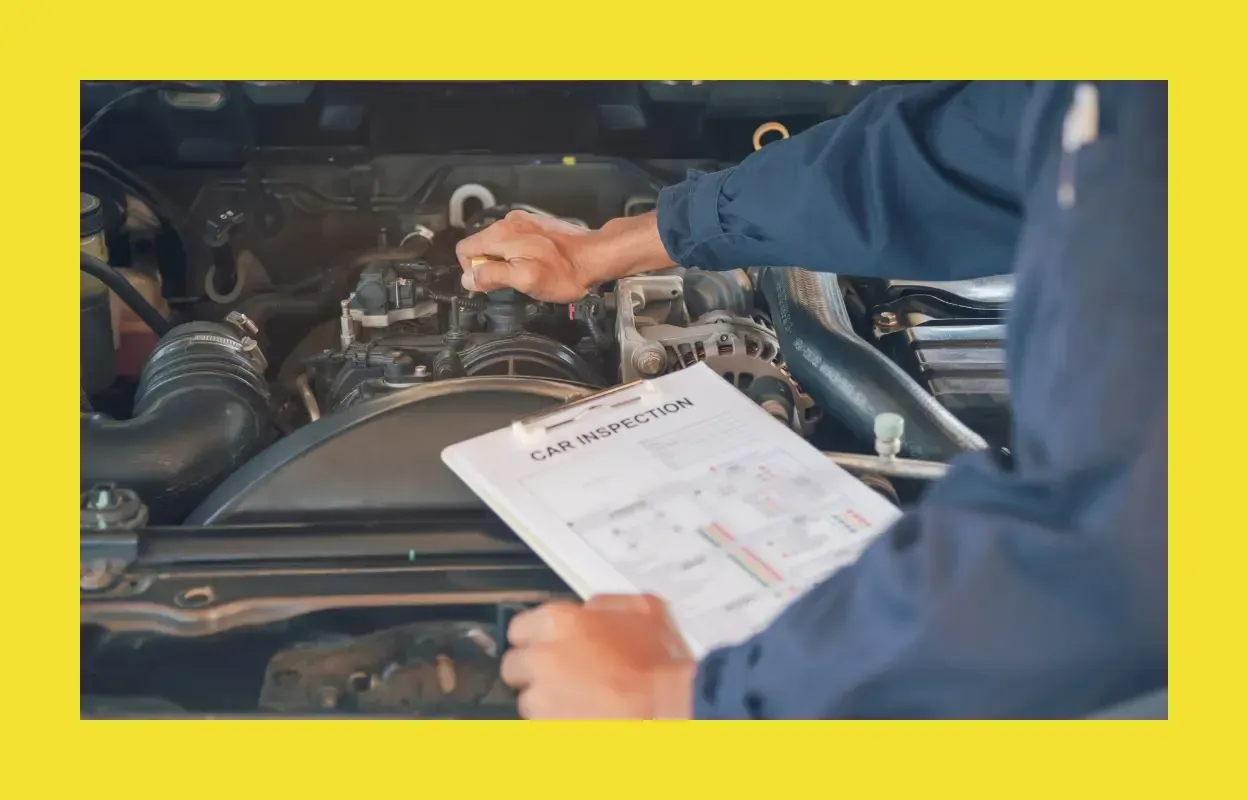
The safest approach is simple, use the symptoms as a guide, then have the brake system inspected before the problem becomes more expensive or dangerous. At Marcos Auto Service in Longwood, FL, our ASE-certified mechanics will inspect all parts of your vehicle's brake system, provide you with a transparent report and perform any repairs using high-quality replacement parts.
Schedule a brake inspection today before a small brake issue turns into a more expensive repair.